
In‑House Counsel Careers in Australia
Roles, Career Paths and Opportunities with Elias Recruitment
For more than 25 years, Elias Recruitment has been building in‑house legal teams across Australia, placing in‑house counsel, legal counsel and general counsel into private organisations and government agencies of every size and sector.We help lawyers secure in‑house counsel, legal counsel and general counsel roles that align with their long‑term career goals, while giving employers fast access to vetted talent with the commercial acumen to drive better business outcomes.
For many lawyers, moving into an in‑house counsel role offers a new professional experience – one that combines legal expertise with commercial insight, stakeholder engagement and collaboration across the business. This guide explains what in‑house counsel do, the skills employers look for, typical career paths and how to position yourself for in‑house counsel roles in Australia.
What Is an In‑House Counsel (In‑House Lawyer)?
An in-house counsel works directly for a company or organisation rather than for a law firm. Their role is to provide legal advice to their employer while helping the business manage legal risk, meet regulatory requirements and support commercial decision-making.
Because they are embedded within the organisation, in-house lawyers develop a strong understanding of the business model, the company’s risk profile, internal stakeholders and decision-makers, and the industry in which the organisation operates.
Unlike lawyers in private practice, who often act for multiple clients and may specialise narrowly, in-house lawyers typically have one client — their employer — and often advise across a broader range of legal issues.
Legal teams may range from a sole in-house lawyer managing all legal matters to larger departments comprising lawyers across different roles and levels of seniority, such as Legal Counsel, Senior Legal Counsel, and General Counsel.
What Do In-House Counsel Do?
The responsibilities of an in-house counsel vary depending on the organisation, industry and size of the legal team.
In many businesses, in-house lawyers act as generalists, advising across a wide range of legal matters, including:
- Commercial contracts
- Competition and consumer law
- Employment law
- Privacy and data protection
- Intellectual property
- Disputes and litigation management
- Corporate and M&A matters
- Regulatory compliance
- Governance and risk
- Property and leasing
- Insolvency-related issues
In larger organisations, legal teams may include specialists in areas such as employment, privacy, regulatory, litigation or intellectual property.
Why Lawyers Move into In‑House Counsel Roles
Many lawyers consider moving in-house after spending time in private practice. While every career path is different, several factors make in-house legal roles attractive to legal professionals.
1. Closer involvement with the business
One of the main reasons lawyers move in-house is the opportunity to work more closely with the business itself.In private practice, lawyers are often one step removed from the client’s day-to-day operations and usually advise from the outside. By contrast, in-house lawyers are embedded within the organisation, working closely with management and internal teams and contributing legal insight as commercial decisions are made.This can give lawyers a deeper understanding of how a business operates and a more direct role in shaping strategy.
2. Broader and more varied work
3. A different working structure
Many lawyers are also attracted to the different working model compared with private practice.
Law firm roles often involve billable-hour targets and detailed time recording. In-house legal teams typically do not operate on a billable hours model.
While the work can still be busy and fast-paced, many lawyers value the greater focus on outcomes rather than time billing.
While in-house roles offer many benefits, they also come with different challenges. Legal teams are often smaller than law firm departments, meaning lawyers must manage competing priorities and provide clear, practical advice directly to the business.
What Skills Do Employers Look For in In-House Counsel ?
When hiring in-house lawyers, employers look for more than technical legal expertise.
They want lawyers who can operate confidently within a business environment and provide practical, commercially focused advice.
Key skills employers look for in in-house counsel include:
- Stakeholder management
- Clear communication with non-legal teams
- Commercial judgment
- Ability to manage competing priorities
- Confidence working with senior stakeholders
- Adaptability
- A practical, solutions-focused approach
- Ability to explain legal risk in commercial terms
Career Path to In-House Counsel Roles
Many in-house lawyers begin their careers in private practice, often gaining experience in commercial, corporate, employment or regulatory law before moving into a corporate role.
Lawyers typically make the transition after several years of post-qualification experience, which provides the legal foundation needed to manage the broader responsibilities of an in-house position.
While some organisations do offer graduate and junior in-house lawyer roles, these opportunities are generally less common than graduate positions in law firms.
For this reason, many lawyers start their careers in private practice before transitioning into in-house roles once they have developed several years of experience.
How Elias Recruitment Supports In-House Counsel and Corporate Legal Teams
Elias Recruitment has been placing in-house lawyers and supporting corporate legal teams for more than 25 years. During that time, we have helped organisations hire legal professionals at every level — from junior and graduate roles through to General Counsel and Heads of Legal for global companies.
We partner with organisations of all sizes, including listed and private corporations, government agencies and not-for-profit organisations across Australia. Our deep understanding of the legal profession and extensive candidate network allows us to connect businesses with lawyers who have the right technical expertise, commercial awareness and cultural fit.
We also work closely with lawyers who are considering a move in-house. Many candidates approach us when they are exploring the transition from private practice into corporate legal roles, and our team helps guide them through that process.
From identifying when lawyers are market-ready for in-house opportunities to advising on the types of organisations and roles that best align with their experience, we support candidates at every stage of the transition. With our strong relationships across the legal market, we regularly help lawyers secure rewarding in-house positions that align with their long-term career goals.
We aim to make the move from private practice to in-house as smooth as possible, connecting lawyers with organisations where they can grow, contribute strategically and build successful in-house careers.
Frequently Asked Questions
How many years’ experience do I need before moving into an in‑house counsel role?
Most lawyers move into in‑house counsel roles after gaining at least 3–5 years of post‑qualification experience in private practice or government. This gives them a strong grounding in commercial, corporate, regulatory or employment law before taking on broader in‑house responsibilities.
Do I need private practice experience before becoming in‑house counsel?
In most cases, employers prefer in‑house counsel who have trained and practised in a law firm first. Some organisations do offer junior or graduate in‑house roles, but these are far less common than private practice graduate programs.
Are in‑house counsel roles in Australia competitive?
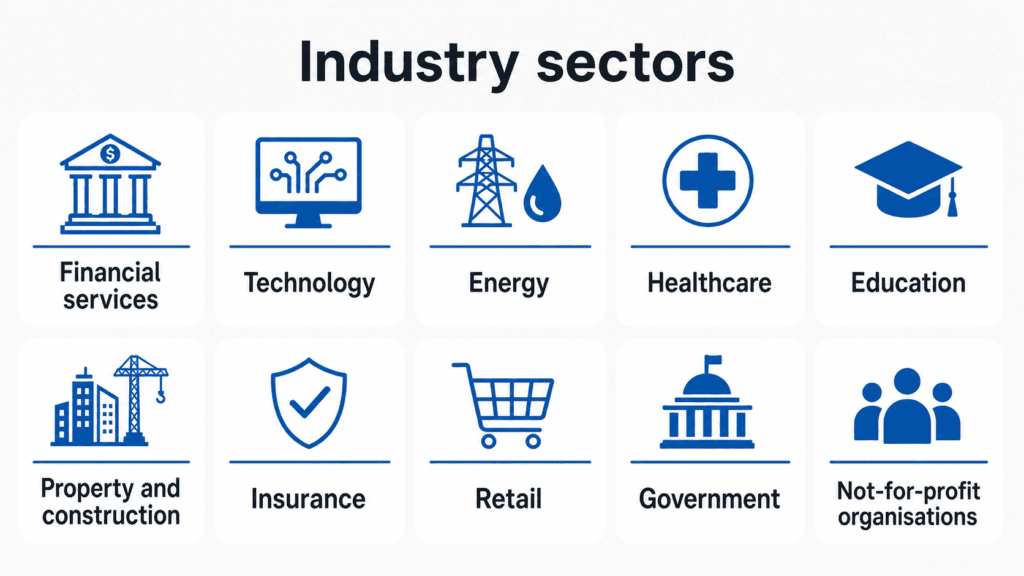
Yes, in‑house counsel roles are competitive, particularly in popular sectors such as financial services, technology, healthcare and government. Lawyers who combine strong technical skills with commercial judgment, stakeholder management and clear communication are best placed to stand out.
What does an in‑house counsel do day to day?
Day‑to‑day work can include reviewing and negotiating contracts, advising on regulatory compliance, managing disputes, supporting governance and risk frameworks, and answering ad‑hoc queries from business stakeholders. In‑house counsel often work closely with senior executives and non‑legal teams to help the organisation make informed commercial decisions.
What job titles should I look for when searching for in‑house roles?
Common titles include In‑House Counsel, Legal Counsel, Senior Legal Counsel, Corporate Counsel, General Counsel, Head of Legal and sometimes Company Secretary or Chief Legal Officer. The scope of the role will depend on the size of the organisation and the structure of its legal team.